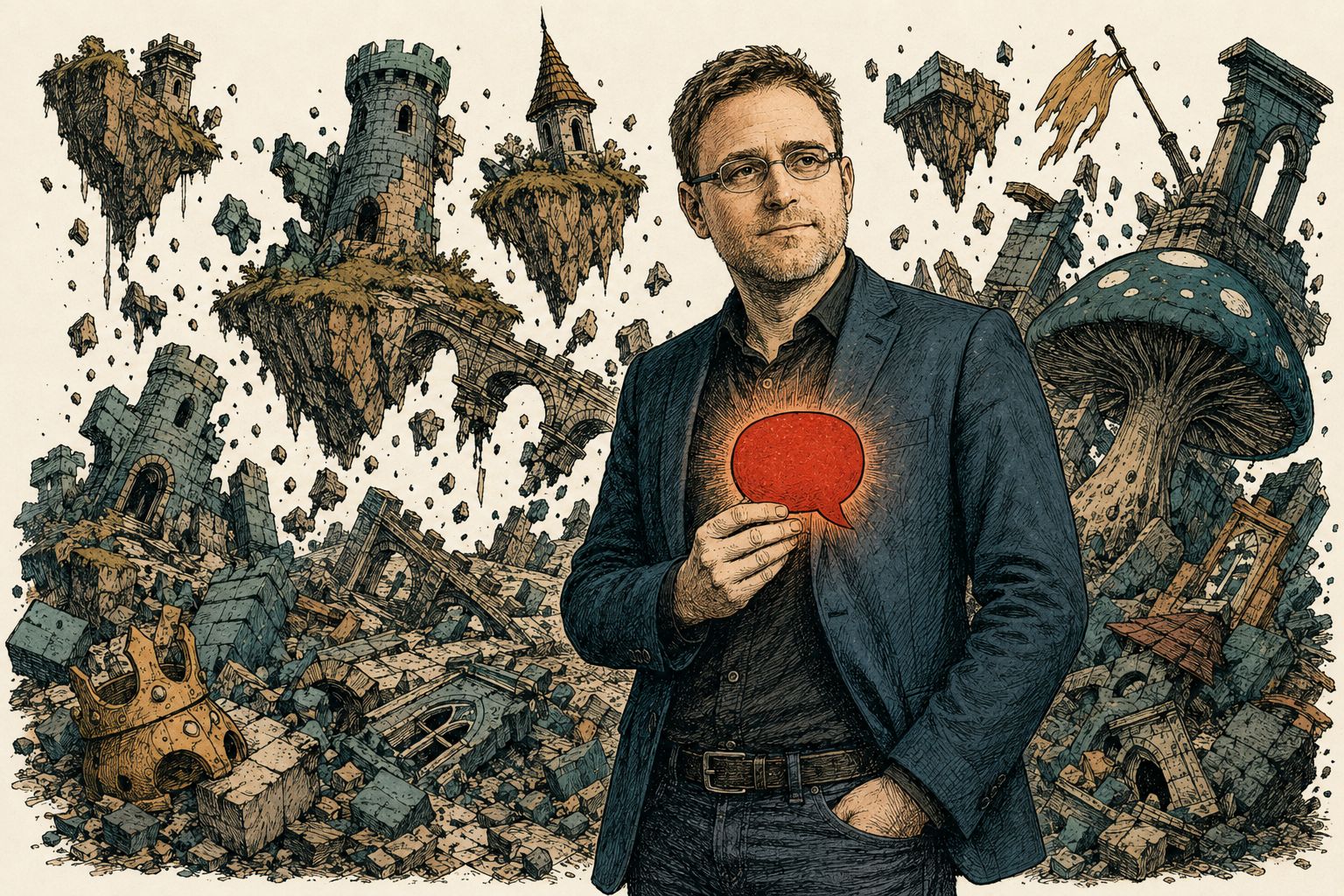
Stewart Butterfield's career runs on a strange engine: he keeps failing to build video games, and the wreckage keeps turning into billion-dollar products. The first time was in 2002, when his startup's web game, Game Neverending, went nowhere — but its photo-sharing feature spun out as Flickr, which Yahoo bought in 2005.
So in 2009 he tried the game again, properly. His new company, Tiny Speck, raised millions from top-tier investors and spent years building Glitch: a hand-drawn, gleefully absurd, deliberately non-violent browser world where players nibbled giggling pigs, milked butterflies and crafted improbable objects. Critics adored its imagination.
Players sampled it — and drifted away. Glitch launched in 2011, then famously 'unlaunched' itself back into beta when retention numbers came in soft. The team reworked onboarding, systems, everything. The core problem wouldn't move: the game was a niche taste, and the niche was too small to sustain a studio.
On November 14, 2012, Butterfield announced the end. The shutdown was as idiosyncratic as the game: an apologetic letter to the community, help finding jobs for staff, and, later, the game's art released into the public domain. Tiny Speck still had roughly six million dollars in the bank — and Butterfield offered investors their money back.
The investors declined, because of what the team had smuggled out of the wreck. To build Glitch across scattered offices, they had constructed their own internal communication system on top of ancient IRC: searchable, permanent, organized into channels, alive with integrations. When the game died, someone looked at the tool everyone at the company was addicted to and said the obvious out loud: this is the product.
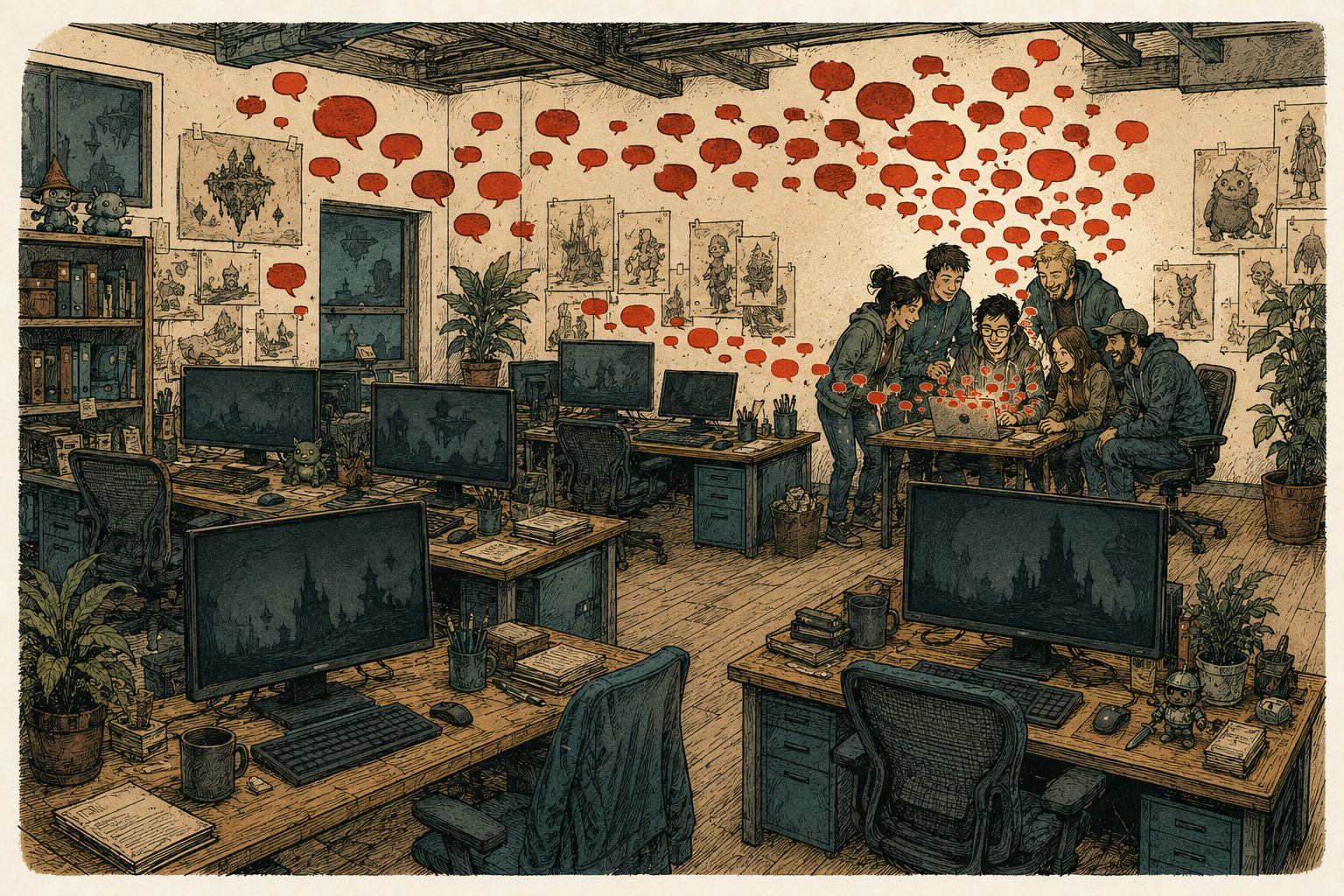
They spent 2013 polishing it into Slack. Butterfield wrote a now-famous internal memo — 'We don't sell saddles here' — arguing they weren't selling chat software but organizational transformation. In August 2013 the preview release drew about eight thousand signup requests in the first day.
Slack became one of the fastest-growing workplace products in history — the rare enterprise tool people evangelized like a consumer app. It went public in 2019, and in 2021 Salesforce completed its acquisition for $27.7 billion.
Twice, then, the same trajectory: the game fails, the by-product conquers the world. Butterfield's lesson is uncomfortable and liberating in equal measure — sometimes the thing you're building matters less than the things you build to build it.
Questions
Why did Glitch shut down?
Glitch never found enough players: people sampled Tiny Speck's browser game and drifted away, and its niche was too small to sustain a studio. Stewart Butterfield announced the end on November 14, 2012.
How did Slack start?
As the internal chat tool Tiny Speck built on top of IRC while making Glitch. When the game died, investors declined Stewart Butterfield's offer to return the roughly six million dollars left, and the team spent 2013 polishing the tool into Slack.
How much did Salesforce pay for Slack?
$27.7 billion. Salesforce completed its acquisition of Slack in 2021; Slack had gone public in 2019, and its August 2013 preview release drew about eight thousand signup requests in the first day.